Your research, your way: 2026
Your research, your way contributors
We asked the Daphne Jackson Fellows to tell us about their research in the way that communicates it best, and they did not disappoint!
We are excited to be showcasing over 50 posters, objects, films, stories and talks from our fellows. Enjoy exploring the research and meeting the fellows presenting them.
See below for details.

Your research your way contributors
Alphabetical list of contributors (A-F)
Dr Jehan Alswaihlil

Host organisation:
University of Bath
Department:
Institute of Mathematical Innovation
Supervisor/s:
Tristan Pryer
Fellowship Funder:
EPSRC
Fellowship start date:
September 2024
Presentation Method:
Poster/ Image/ Alternative Poster
Neural Field Theory for EEG Inversion: connecting Dynamics with Data
Brain activity is constantly changing and spreading across different areas of the brain. EEG recordings allow us to measure these changes, but it is difficult to determine how activity travels and how different brain areas interact. This project develops a mathematical approach to use EEG data to uncover these patterns of brain activity. We use inversion to reconstruct the brain activity from EEG recordings from people performing an arithmetic task to test the approach. By connecting mathematical models of brain activity with real measurements, this work aims to improve our understanding of how brain activity spreads across the brain.
Dr Gemma Anderson-Tempini

Host organisation:
University of Exeter
Department:
Centre for Cultures and Environments of Health (CCEH), Department of Social and Political Sciences, Philosophy and Anthropology
Supervisor/s:
Professor Luna Dolezal
Professor John Dupré
Fellowship Funder:
UKRI
Fellowship start date:
August 2026
Presentation Method:
Poster/ Image/ Alternative Poster
Making Visible the Hidden Processes of Breastfeeding Through Drawing
We know breastfeeding matters for health, yet we rarely see what it actually looks like inside the body. Existing images are either idealised or reduced to nutrition, missing the immune transfer, microbial exchange and living connection between mother and infant. This project uses drawing as a research method to make these hidden biological processes visible. Working with human lactation scientists at Cambridge, Oxford and in Canada, I am creating scientifically informed drawings of milk production at molecular, cellular and whole-body scales, alongside first-person images drawn from my own experience of breastfeeding twins.
Dr Zinab Bodbbos

Host organisation:
Heriot-Watt University
Department:
School of Engineering and Physical sciences (EPS)
Supervisor/s:
Prof. Yuhang Chen
Ms Chloe Scott
Prof. Bob Reuben
Fellowship Funder:
Medical Research Scotland
Fellowship start date:
December 2025
Presentation Method:
Object
Can we hear a knee replacement? Listening for loosening and happy knees.
Over 100.000 knee replacements are performed in the UK each year. While most are successful, some patients experience pain and instability. One possible cause is loosening of the implant, which can be difficult to detect at an early stage. My research explores whether we can identify these changes by ‘listening’’ to the knee. Tiny movements between the implant and the bone create vibrations that cannot be heard by the human ear but can be detected by sensitive sensors placed on the skin. By analysing these signals, I aim to identify early signs of implant loosening and help improve monitoring, enabling patients move with greater confidence.
Dr Fiona Bradshaw

Host organisation:
University of Bristol
Department:
Organic Geochemistry Unit
Supervisor/s:
Melanie Roffet-Salque
Lucy Cramp
Fellowship Funder:
UKRI NERC
Fellowship start date:
November 2025
Presentation Method:
Poster/ Image/ Alternative Poster, Object, Handout
Plant resins: chemical differences and patterns of past use in Aboriginal Australia
Naturally occurring plant resins have been used by First Nation Australian communities for thousands of years. Examples of artefacts ranging from weapons and tools to jewellery and medicine, showcase the versatility of plant resins. A selection of museum items collected by ethnographers 100-200 years ago, were sampled and analysed chemically.
The resins used in Aboriginal Australia were varied and diverse but mostly fitted into three known chemical categories of resin, plus an extra group with unusual chemistry from a unique and unlikely source of resin, the spinifex tussock grass. Use the maps and your senses to investigate patterns of use.
Dr Annika Burleigh

Host organisation:
Royal Veterinary College
Department:
Translational Skeletal Research, Comparative Biosciences
Supervisor/s:
Dr Scott Roberts
Dr Caroline Pellet-Many
Fellowship Funder:
ORUK, MRC
Fellowship start date:
July 2025
Presentation Method:
Poster/ Image/ Alternative Poster
Defining the mechanism and efficacy of CDK8/19 therapies across the skeleton in pre-clinical osteoarthritis (OA) models.
Osteoarthritis (OA) is a complex, painful joint disease affecting 595 million people globally, frequently impacting weight-bearing or high-use joints like the knee, hand, hip, and jaw. Multiple cell types within the joint become unstable, progressively degrading tissue. Currently, no disease-modifying therapies exist, leaving treatment focused on pain management and joint replacement surgery.
Recently, a new drug, CDK8i, has been identified that can potentially fix malfunctioning cells, restoring them to a stable state.
Here, using spontaneous and non-invasive pre-clinical models of OA, multiple joints from mice treated with CDK8i are examined to determine therapeutic effectiveness and assess which joints benefit most.
Dr Julia Chase-Grey

Host organisation:
Nottingham Trent University
Department:
School of Animal, Rural and Environmental Sciences
Supervisor/s:
Dr Richard Yarnell
Dr Antonio Uzal
Fellowship Funder:
NERC
Fellowship start date:
January 2025
Presentation Method:
Laptop
Barriers to human hyaena conflict mitigation in the Maasai Mara, Kenya
Wild carnivores often come into conflict with farmers when they kill or injure domestic livestock. This often leads to negative attitudes and retaliatory killing. Several methods are used by communities to protect livestock against carnivore predation such as traditional livestock enclosures. However, newer methods have emerged that are more effective at reducing livestock losses.
In May 2026, I conducted an interview survey in Kenya with local community members to understand why certain livestock protection methods are chosen over others. This was done to help pastoralists more easily access effective livestock protection methods, reduce conflict and assist in carnivore conservation.
Dr Kate Coldwell

Host organisation:
University of Oxford
Department:
Centre for Microbiome Studies, Kennedy Institute of Rheumatology Research
Supervisor/s:
Dr Nick Ilott
Dame Prof Fiona Powrie
Fellowship Funder:
MRC
Kennedy Trust
Fellowship start date:
August 2024
Presentation Method:
Laptop/Film
Day in the life of a poo sample
The Oxford Centre from Microbiome Studies analyses thousands of poo samples. But why? Watch this short 3 min film created for World Microbiome Day 2026 by microbiome scientists and the Communications Team from NDORMS, University of Oxford.
As research scientists, we communicate our research to different people in different ways. The “Day in the life of a Poo Sample” short film is one example of how Kate and her colleagues have created excitement and engagement around the gut microbiome for a lay audience. Use the QR codes to see the other examples such as “Ask a Microbiome Scientist” videos and Poo Trivia Quiz.
Dr Aqsa Dar

Host organisation:
Centre for Social Mobility University of Oxford
Department:
Department of History
Supervisor/s:
Dr Eve Worth
Professor Anna Mountford-Zimdars
Fellowship Funder:
ESRC
Fellowship start date:
February 2025
Presentation Method:
Poster/ Image/ Alternative Poster
A qualitative study to understand the labour market experiences of professional British Pakistani women from the North of England.
This research builds on work I conducted for my first book, ‘Education, Aspiration and Upward Social Mobility: Working Class Women’ (Saeed, 2022), which explored the educational aspirations of young Pakistani women living in Milltown, a satellite town of Manchester. In this project I will interview 30 professional British Pakistani women from Manchester and some of the surrounding satellite towns. I aim to understand the factors that affect their labour market participation and to contribute to literature that describes their working life. My work will theorise their social mobility, which draw on both objective and subjective sources of data as well as contribute to discussions and theorisations of race and work.
Dr Kalina Davies

Host organisation:
Natural History Museum
Department:
Science Group
Supervisor/s:
David Gower
Anjali Goswami
Paschalia Kapli
Fellowship Funder:
The Royal Society
Fellowship start date:
November 2025
Presentation Method:
Poster/ Image/ Alternative Poster
Sensory trade-offs: What can the eyes of bats tell us about their hearing?
Bats are a highly successful group, representing nearly 20% of living mammals. Their success is attributed in part to bio-sonar (aka echolocation), which allowed the exploitation of night-flying insects. However, echolocation may have evolved once or multiple times in ancestral bats. Evidence of putative shifts in dominant sense from vision to biosonar will be compiled from bat genomes and eye structures to address this uncertainty. Specifically, functional variation of water-soluble proteins known as crystallins (which confer transparency to the eye lens) will be compared between representative echolocating and non-echolocating species and 3D X-ray images will be used to study lens morphology.
Dr Yanting Dong

Host organisation:
University of Hertfordshire
Department:
School of Physics, Engineering and Computer Science/Centre for Astrophysics
Research (CAR)
Supervisor/s:
Dominic Walton
Martin Krause
Fellowship Funder:
STFC
Fellowship start date:
April 2026
Presentation Method:
Poster/ Image/ Alternative Poster
Mood Swings of a Black Hole — Decoding the Mystery Behaviour
When black holes accrete gas, they emit large amounts of X-rays. Interestingly, they can switch between states dominated by high- or low-energy X-rays—as if black holes have “mood swings”! By modelling the X-ray emission from a black hole candidate in different states, I found that these changes may be linked to its corona, a region of extremely hot plasma surrounding the black hole. I aim to extend this research to other systems, investigating whether this connection is universal and what other physical processes may drive these transitions. This will help understand how black holes grow and influence their surroundings.
Dr Parisa Ebrahimpour – Research Technical Professional Fellow

Host organisation:
University of Bristol
Department:
School of Chemistry
Supervisor/s:
Prof. Simon Hall
Fellowship Funder:
UKRI
Fellowship start date:
September 2026
Presentation Method:
Poster/ Image/ Alternative Poster
X-Ray Diffraction: Determining the Structure of Molecules and Materials
An understanding of the atomic-scale structure of molecules and materials is fundamental to all areas of chemistry research, from the development of new drugs to the discovery of next generation batteries, solar cells, and visual displays. X‑ray diffraction (XRD) is a particularly powerful technique used to determine how atoms are arranged inside solids, either as single‑crystals (scXRD) or as powders (pXRD). This presentation will discuss the fundamental principles and applications of X‑ray diffraction.
Dr Shirley Famelli

Host organisation:
University of Bristol
Department:
School of Geographical Sciences
Supervisor/s:
Rodolfo Bezerra Nobrega
Fellowship Funder:
NERC
Fellowship start date:
July 2024
Presentation Method:
Poster/ Image/ Alternative Poster
Sex ratios shift in Amazonian turtle hatchlings due to escalating habitat warming
Amazonia is experiencing more frequent and severe weather extremes. Freshwater species, like the endangered Giant Amazonian turtles are key for assessing how climate change influences Amazonian rivers and biodiversity. Extreme habitat temperatures can increase turtle embryo mortality; however, other non-lethal effects are expected due to their temperature-dependent sex determination, which can eventually drive populations to become predominantly female-skewed due to escalating habitat warming. Using in-situ and satellite-based data, my research demonstrates that the rivers are presenting rising temperature trends along the years (up to +0.3ºC a year from 1998 to 2024), in the water and sandbanks of three major Amazon Basin rivers (Purus, Trombetas, and Tapajós) used by turtles for nesting. I then estimated the sex ratio of all hatchlings bourn at these sandbanks monitored by local communities. I observed that more females are produced as warming intensifies, while males comprise less than 15% of offspring. With the absence of cooler years, turtle populations could eventually completely female-biased. These results emphasize the need for long-term nest-temperature observations and monitoring as a critical conservation effort to access ongoing population changes under future warming scenarios.
Dr Kerry Francksen

Host organisation:
Coventry University
Department:
Centre for Dance Research (C-DaRE)
Supervisor/s:
Sarah Whatley
Fellowship Funder:
AHRC
Fellowship start date:
March 2024
Presentation Method:
Poster/ Image/ Alternative Poster
Feeling bodies / Sensing machines
Dance regards the body as a form of knowledge that precedes language; its understanding is real and often beyond verbal expression. Meanwhile, AI speaks confidently about movement despite lacking physical experience. The ‘Feeling bodies / Sensing machines’ project explored where the ‘felt’ body fits within human-AI collaboration. Using a real-time app and AR glasses, two themes emerged: an initial authority in which AI seemed to overshadow kinaesthetic judgement, and a space where bodily agency emerged through AI’s errors. Inspired by Eugene Gendlin’s ‘felt sense’, the project questioned AI’s interaction with dance’s bodily intelligence and its implications for agency and decision-making.
Prof Rosemary Fricker

Host organisation:
University of Cambridge
Department:
Plant Sciences / Herbarium
Supervisor/s:
Prof. Sam Brockington
Prof. Edgar Turner
Fellowship Funder:
NERC / BBSRC
Fellowship start date:
November 2025
Presentation Method:
Poster/ Image/ Alternative Poster, Object
Using university collections to evaluate human impact on biodiversity in the east of England
Humans have a significant impact on the natural world, through land use and contribution to global warming, affecting whole ecosystems. Museum collections provide a resource to investigate long-term ecosystem changes.
Cambridge University has ~80,000 plant and insect specimens dating from 1800-2000, from the East of England; including the Fen wetlands, now largely drained for intensive arable agriculture.
I am producing a database of plants and insects from the East of England to explore community and habitat shifts, using statistical and artificial intelligence tools. My aim is to understand long-term environmental change, to inform conservation strategies and sustainable farming practices.
Alphabetical list of contributors (G-L)
Dr Somayeh Ghasemi

Host organisation:
Queen Mary University of London
Department:
School of Physical and Chemical Sciences
Supervisor/s:
Dr Devis Di Tommaso
Dr Cristina Giordano
Fellowship Funder:
Royal Society
Fellowship start date:
November 2025
Presentation Method:
Poster/ Image/ Alternative Poster
Finding the O2p Sweet Spot: High-Throughput DFT and Machine Learning for Ruddlesden–Popper Water-Splitting Catalysts
Hydrogen made by splitting water with electricity could power transport and industry without carbon emissions. But today’s best catalysts — the materials that drive the reaction — rely on iridium and ruthenium, two of the rarest metals on Earth. My work looks for replacements built from cheap, abundant metals such as iron, manganese and nickel. Using supercomputers, I simulate hundreds of layered oxide crystals and measure an electronic “fingerprint” that predicts how well each one performs. Machine learning then learns that pattern and screens thousands more in minutes, pointing experiments towards the most promising materials to make and test
Dr Sunneva Gilmore

Host organisation:
Queen’s University Belfast
Department:
Medicine, Health & Life Sciences (School of Nursing and Midwifery)
Supervisor/s:
Professor Maria Lohan
Fellowship Funder:
Queen’s University Belfast
Fellowship start date:
July 2026
Presentation Method:
Poster/ Image/ Alternative Poster
Healthcare Under Attack: The Consequences for Sexual and Reproductive Healthcare in War Zones
Armed conflict is increasingly disrupting essential healthcare delivery, with 2024 recording the highest levels of attacks on medical facilities in recent history, across settings such as Gaza, Ukraine, and Sudan. Sexual, reproductive, maternal, and newborn health services are particularly vulnerable to disruption, yet remain understudied. This project develops an interdisciplinary framework—drawing on medicine, international law, and feminist theory—to examine how such attacks affect healthcare access, provider response, and patient experience. Employing a mixed-methods approach combining a narrative review, systematic review, humanitarian data analysis, open-source investigation, and provider interviews in Ukraine and Colombia, the study aims to generate evidence informing policy and strengthening reproductive health protection in conflict.
Dr Erin Goldstraw

Host organisation:
The University of Edinburgh
Department:
School of Mathematics
Supervisor/s:
Moritz Linkmann
Arjun Berera
Fellowship Funder:
STFC
Fellowship start date:
October 2024
Presentation Method:
Laptop, Handouts
Story Time
Time for a break? Come and play some short interactive fiction stories and have a chat about how assumptions affect the outcomes. Be careful what you assume. You might learn something new! Who said plasma physics was difficult? Come and try it for yourself.
Dr Fayza Gridi-Bennadji
Host organisation:
University of Leicester
Department:
School of Chemical, Earth and Environmental Sciences (CEES), Centre for Sustainable Materials Processing (CSMP)
Supervisor/s:
Dr. Jake Yang
Prof. Karl Ryder
Prof. Andrew Abbott
Fellowship Funder:
UKRI-EPSRC
Fellowship start date:
May 2026
Presentation Method:
Laptop
Can We Recycle LFP Batteries Without Destroying Their Value?
Lithium iron phosphate (LFP) batteries are increasingly used in electric vehicles and energy storage, creating a growing need for effective recycling. Unlike some other lithium-ion batteries, LFP contains no valuable cobalt or nickel, making conventional recycling less economically attractive. Direct recycling offers an alternative by recovering and restoring the cathode material rather than breaking it down completely. However, this requires LFP to be separated from other electrode components, particularly graphite, while maintaining its quality. My research investigates whether an oil–water emulsion can provide a simple and selective way to separate LFP from graphite, helping to preserve the value of the material for future reuse.
Dr Matt Hawcroft

Host organisation:
University of Oxford
Department:
School of Geography and the Environment
Supervisor/s:
Richard Washington
Tim Woollings
Fellowship Funder:
Royal Society
Fellowship start date:
March 2025
Presentation Method:
Poster/ Image/ Alternative Poster
Energy (Non-)Conservation in Climate Models: A problem for understanding dynamical change
Climate models are one of the primary tools we use to understand future climate change and to explain the causes of past change. Anthropogenic climate change is a function of energy accumulating within the climate system. Understanding how large-scale dynamical changes relate to this spatially varying energy storage is fundamental to our ability to understand future change. This work highlights a further barrier to this aim. Many state-of-the-art models do not adequately conserve energy, and this impairs our ability to properly quantify these energetic changes, let alone understand their dynamical and regional consequences.
Dr Cathy Hawley

Host organisation:
University of York
Department:
Biology
Supervisor/s:
Katherine Bridge
Fellowship Funder:
Blood Cancer UK
Fellowship start date:
March 2025
Presentation Method:
Poster/ Image/ Alternative Poster
Development of genetic RNA medicines for the treatment of blood cancers
Current treatments for blood cancers often address the symptoms but not the root cause of disease, resulting in harsh side effects and long treatment regimes. Blood cancers are driven by mutations in DNA – errors in the genetic code that instruct the cells to divide out of control and make more cancer cells. We are designing genetic medicines which use RNA (the body’s natural messenger system) to precisely target and kill the mutant cancer cells. Our data shows that using this approach, cancer cells are kills whilst healthy cells are left unharmed, paving the way to a new type of blood cancer treatment.
Dr Melanie Henry

Host organisation:
Queen’s University Belfast
Department:
Modern Languages
Supervisor/s:
Professor Isabel Torres
Fellowship Funder:
Queen’s University Belfast / British Academy
Fellowship start date:
June 2026
Presentation Method:
Poster/ Image/ Alternative Poster
Impaired Selves: Disability on the early modern Spanish stage
My project explores how physical disability was represented in Spain’s Golden Age theatre (1492–1681), a hugely influential period of artistic creativity. Although critics have long examined how Spanish Golden Age theatre engaged with social issues such as race, gender, and class, they have largely overlooked how disabled people – the world’s largest minority – were represented on stage. By analysing a range of plays alongside medical, religious, and legal texts, the study investigates how disability was portrayed and understood. It also connects past attitudes to modern discussions about inclusion and accessibility, showing how historical ideas about physical difference continue to shape society today.
Dr Ahmed Ismail
Host organisation:
UCL
Department:
Chemistry
Supervisor/s:
Professor Keith Butler
Professor Claire Carmalt
Fellowship Funder:
UKRI
Fellowship start date:
January 2025
Presentation Method:
Poster/ Image/ Alternative Poster
Finding the right ingredients: AI-guided dopant discovery for better materials
Adding tiny amounts of selected elements can transform how a material conducts electricity, absorbs light or stores energy. However, choosing the right element from the huge number of possible combinations is slow and computationally expensive. My research combines chemical knowledge with artificial intelligence to rapidly screen potential dopants, the “extra ingredients”, added to a material. The most promising candidates are then checked using detailed computer simulations. By testing this approach across different materials, I aim to create a faster, more reliable route to designing materials for energy, electronics and other technologies.
Dr Marzieh Jabbarzare

Host organisation:
University of Leicester
Department:
Microbiology and Infection
Supervisor/s:
Prof. Andrea Cooper
Dr.John Pearl
Fellowship Funder:
MRC
Fellowship start date:
June 2025
Presentation Method:
Poster/ Image/ Alternative Poster
Investigating γδ T Cell Subsets as Potential Targets for Tuberculosis Vaccine Development
Tuberculosis (TB) is a serious infectious disease, and current vaccines do not provide complete protection. This study investigated whether ESAT-6, a small part of the TB bacterium, could activate γδ T cells, a type of immune cell, in mice. These cells respond quickly to infection and may help the body build a longer-lasting defence against infection. The study examined how these cells were activated, the proteins they produced, and changes in their genes. The findings may help guide the development of more effective TB vaccines in the future.
Dr Tracey King

Host organisation:
Cardiff University
Department:
School of Biosciences
Supervisor/s:
Professor Jo Cable
Dr Amir Javed
Fellowship Funder:
BBSRC / NERC
Fellowship start date:
November 2025
Presentation Method:
Poster/ Image/ Alternative Poster
Lions and tigers and bears oh my!…….and the UK exotic pet trade
What animals are kept as exotic pets? How many exotic pets are there in the UK? How are they traded (both legally and illegally)? These are just some of the questions that are being considered by my research project which combines the biological and computer sciences with a One Health approach to determine what the actual disease risk is from such pets. This presentation will provide a short overview as to whether there are really lions in the wardrobe, tigers coming to tea and bears having a picnic or whether the reality is actually something rather more mundane.
Dr Martina Klejchova

Host organisation:
University of Glasgow
Department:
MVLS, SMB
Supervisor/s:
Prof. Michael R. Blatt
Prof. Anna Amtmann
Fellowship Funder:
BBSRC
Fellowship start date:
November 2024
Presentation Method:
Poster/ Image/ Alternative Poster, Laptop
Modelling the Impact of Point Mutations on Protein Structure Using AlphaFold3
Plant potassium channels drive stomatal movements that regulate CO₂ uptake for photosynthesis and water loss through transpiration. Because CNBD potassium channels are present in all plants, their modification in crops could improve water-use efficiency in agriculture in the future.
I am developing an in-silico approach based on AlphaFold3 and Python-based data analysis to identify potassium channel residues that will guide experimental efforts to improve channel gating, stomatal kinetics, and plant resilience.
Using this in-silico approach, I select promising mutations for their potential effects on channel activity and evaluate them in Xenopus oocytes and plants using mutagenesis and electrophysiological analyses.
Dr Nicola Kuiper

Host organisation:
The Robert Jones & Agnes Hunt Orthopaedic Hospital & Keele University
Department:
Orthopaedic Research
Supervisor/s:
Professor Karina Wright
Fellowship Funder:
Daphne Jackson Trust, Orthopaedic Research UK (ORUK) & Medical Research Council (MRC)
Fellowship start date:
November 2023
Presentation Method:
Poster/ Image/ Alternative Poster
Big Data analyses of the long-term benefits of knee cartilage surgery
We used data from 3,708 UK Biobank volunteers with a history of knee cartilage surgery to find out if sex and age at surgery affected the likelihood of needing a total knee replacement in later life. Women had a higher risk of progressing to knee replacement than men, particularly after debridement, a procedure used to remove damaged cartilage, and microfracture, which involves making small holes in the bone to encourage cartilage repair. Older age at the time of surgery was also associated with increased risk. These findings highlight differences in long-term outcomes after knee cartilage surgery and may help inform patient expectations and treatment planning.
Dr Ping Lung

Host organisation:
University of Glasgow
Department:
School of Infection and Immunity
Supervisor/s:
James Brewer
Fellowship Funder:
BBSRC
Fellowship start date:
January 2024
Presentation Method:
Poster/ Image/ Alternative Poster
Mimicking live germs with nanoparticles to develop better vaccines
Live germs tend to stimulate a stronger immune response compared to dead ones, but using live germs in vaccines can be a challenge. Making our vaccines live-like through nanoparticle technology may offer the perfect blend of strong immune response and safety. Here, we introduce how a nature-inspired nanoparticle stimulates immunological effects that may offer new opportunities in different vaccine applications.
Alphabetical list of contributors (M-Q)
Dr Alkisti Manousaki

Host organisation:
University of Leicester
Department:
Molecular and Cell Biology
Supervisor/s:
Prof. Martin Dyer
Prof. Rachael Evans
Prof. Chris Brightling
Fellowship Funder:
ME Research UK & MRC UKRI
Fellowship start date:
August 2025
Presentation Method:
Poster/ Image/ Alternative Poster, Handouts, Other
Decoding the Female Predominance in Myalgic Encephalomyelitis/Chronic Fatigue Syndrome (ME/CFS)
ME/CFS is a debilitating condition that affects women more often than men, yet the biological reasons remain poorly understood. My research investigates whether changes in genes on the X chromosome, which females typically have two copies of, contribute to this female prevalence by affecting immunity and energy production. I will also characterise patients’ antibodies to explore whether previous viral or microbial exposures relate to the disease. Finally, I will examine cells from the inside and investigate whether mitochondria – the structures producing cellular energy – are working properly, aiming to understand how these biological processes contribute to ME/CFS.
Dr Georgia McDonald

Host organisation:
Institute of Cancer Research
Department:
Translational Immunotherapy
Supervisor/s:
Professor Alan Melcher
Fellowship Funder:
MRC
Fellowship start date:
June 2026
Presentation Method:
Poster/ Image/ Alternative Poster
Functional Analysis of the Immune Response to Human Papilloma Virus (HPV) in Patients with HPV+ Tumours
HPV is a very common virus that affects around 8 in 10 people during their lifetime. Most people clear it naturally, but in some cases it can persist and cause cancer, including cancers of the cervix, throat, anus and genital area. HPV-related cancers contain viral proteins that can be recognised by the immune system, making them promising targets for new treatments. This research will study blood and tumour samples from patients to understand how their immune systems respond to HPV and whether stronger responses are linked to better outcomes. It will also explore a new vaccine approach to strengthen these immune responses and improve future treatments.
Dr Saraid Mcllvride

Host organisation:
University of Glasgow
Department:
School of Health and Wellbeing
Supervisor/s:
Prof Jill Pell
Prof Michael Fleming
Prof Scott Nelson
Fellowship Funder:
Medical Research Scotland
Fellowship start date:
October 2023
Presentation Method:
Poster/ Image/ Alternative Poster
What a million records can tell us about taking antidepressants during pregnancy
Mental health problems are increasingly common during pregnancy, affecting 1 in 4 women. Medications are an important treatment option, but many women worry about the effects on their baby. This study uses a unique dataset linking mothers’ health records to their children’s health and education records, covering every birth in Scotland and Wales between 2009 and 2021. We aim to examine whether antidepressant use during pregnancy is associated with child development and educational outcomes, including special educational needs. The more we understand about long-term effects, the better placed women and their doctors are to make informed decisions.
Dr Justyna McKinlay

Host organisation:
Heriot-Watt University
Department:
Institute of Chemical Sciences
Supervisor/s:
Martin Paterson
Fellowship Funder:
EPSRC
Fellowship start date:
January 2025
Presentation Method:
Poster/ Image/ Alternative Poster
When Light Hits a Molecule – Can we use light to switch on cancer-fighting drugs?
Cancer treatments can have many side effects and damage healthy cells as well as tumours. To make these therapies more targeted we need to develop drugs that remain inactive until they are “switched-on” by light. My research uses computer modelling to study molecules that are built specifically for this purpose. I study how these molecules react and change when they absorb light, and how these changes may trigger reactions that can kill cancerous cells. Understanding these processes can help us design much better drugs for anticancer therapies.
Dr Lotte Miller

Host organisation:
University of Leicester
Department:
School of Chemical, Earth and Environmental Sciences
Supervisor/s:
Prof. Arnoud Boom
Fellowship Funder:
Royal Society
Fellowship start date:
August 2025
Presentation Method:
Poster/ Image/ Alternative Poster
Black Layers, Big Stories: Solving the Red Sea Pliocene Geological Whodunnit
The Red Sea hides a remarkable record of ancient climate change. Buried beneath the seafloor are dark, organic-rich layers known as sapropels, formed between 3 and 5 million years ago during the Pliocene, when Earth was significantly warmer than it is today. These layers act like time capsules, preserving evidence of how oceans and climate interacted in a warmer world. This project explores the origins of these mysterious black layers by examining the chemical signatures preserved within Red Sea sediments. The findings suggest that changes in climate, ocean circulation, and the supply of organic material all played a role in their formation. By uncovering why these sediments accumulated and survived for millions of years, this research helps reveal how marine environments responded to past warming and offers valuable clues about how oceans may change in the future.
Dr Laura Mora

Host organisation:
Queen’s University Belfast
Department:
Arts, English, Languages
Supervisor/s:
Prof Sue-Ann Harding
Fellowship Funder:
Queen’s University Belfast
Fellowship start date:
July 2025
Presentation Method:
Poster/ Image/ Alternative Poster
Digital witnessing and mediated solidarity
In the context of online solidarity with Gaza, I address Adi Kuntsman’s (2021) critical question: “What exactly is the affective currency of digital witnessing?” While existing studies of participatory war have interviewed war zone citizens and diasporas, I interview everyday social media users of diverse backgrounds in the UK, Ireland, the Netherlands and Belgium. I explore what drove them to start speaking out online on the topic since October 2023, despite associated risks, such as surveillance, harassment, job loss and friendship loss. I evaluate how personal motivations, sentiment and identity shape both expressions of solidarity and the subsequent experience of backlash.
Dr Tahira Mujtaba

Host organisation:
Aston University Birmingham
Department:
School of bioscience
Supervisor/s:
Alice Rothenie
Fellowship Funder:
UKRI – MRC
Fellowship start date:
March 2025
Presentation Method:
Poster/ Image/ Alternative Poster
The Role of MRP1 and MRP4 in Breast Cancer Cell Migration, Communication and the Tumour Microenvironment
My project investigates how breast cancer cells communicate with immune cells and influence the tumour microenvironment—the cells, signals and surrounding conditions that can affect tumour behaviour. Breast cancer cells release proteins, soluble factors and tiny particles called extracellular vesicles. I am studying how these substances affect the movement of macrophages, an important type of immune cell. My results so far show that tumour-derived secretions can promote macrophage movement. I am also investigating two transport proteins, MRP1 and MRP4, which may help regulate this communication. Understanding these interactions could provide new insights into how breast cancer develops and progresses.
Dr Azizun Nessa

Host organisation:
Queen Mary University of London (QMUL)
Department:
Centre for Endocrinology
Supervisor/s:
Professor Paul Chapple
Dr Pratik Shah
Fellowship Funder:
Queen Mary University of London (QMUL)
Fellowship start date:
May 2025
Presentation Method:
Poster/ Image/ Alternative Poster
Understanding the molecular pathology of hyperinsulinaemic hypoglycaemia and neurodegeneration in children with DNAJC3 mutations
Children with changes in the DNAJC3 gene can develop a rare disorder that affects the brain, causing ataxia (problems with balance), low blood sugar in early childhood and diabetes later in life. DNAJC3 plays an important role in the cell’s protein quality control system, and early studies of neuronal cells lacking DNAJC3 show that they grow more slowly than healthy cells, especially when starting from low cell numbers. We are now studying how the cells respond to stress and which biological pathways are affected. This research may help explain how DNAJC3 defects lead to both nerve damage and metabolic problems.
Dr Oluwatosin Ojo

Host organisation:
University of Bristol
Department:
Bristol Medical School
Supervisor/s:
Stuart Mundell
Tom Johnson
Fellowship Funder:
BHF
Fellowship start date:
April 2026
Presentation Method:
Poster/ Image/ Alternative Poster
P2Y12 Receptor Signalling in Platelets: Implications for Cardiovascular Disease
Cardiovascular disease is the leading cause of death worldwide, with blood clots contributing to heart attacks and strokes. G protein-coupled receptors (GPCRs) regulate platelet activation and blood vessel contraction, but their mechanisms remain incompletely understood. This project investigates the P2Y12 receptor (P2Y12R), an important target of antiplatelet drugs, in platelets. Recent evidence suggests that P2Y12R expression increases in diabetes and acute coronary syndromes and may enhance vascular reactivity and clot formation. This research will determine how P2Y12R-targeting drugs regulate receptor signalling and assess whether P2Y12R represents a cardiovascular risk factor, supporting improved therapies to prevent heart attacks and strokes.
Dr Karen Onions

Host organisation:
University of Bristol
Department:
Clinical Sciences, Bristol Medical School
Supervisor/s:
Prof. Simon Satchell
Prof. Gavin Welsh
Dr. Becky Foster
Fellowship Funder:
British Heart Foundation
Fellowship start date:
April 2026
Presentation Method:
Poster/ Image/ Alternative Poster, Object
The diabetic kidney and it’s glycocalyx – Advancing analysis to identify therapeutic targets. New vascular analysis in diabetes to identify disease mechanisms and therapeutic targets. Diabetic capillaries – in depth analysis to identify disease mechanisms and therapeutic targets
Diabetes is a life-altering condition. Damage to the kidneys can cause protein to leak into the urine and is associated with a significantly higher risk of cardiovascular disease. Scientists have shown that a protective sugar-rich lining in your blood vessels, called the endothelial glycocalyx, regulates this protein-leak and that it is damaged in diabetes. This fellowship aims to use novel analysis techniques to understand how the individual building blocks that make up the glycocalyx are altered in diabetic kidneys. This data will identify new, more specific targets to preserve kidney function and reduce cardiovascular risk.
Dr Nicola Parillon
Host organisation:
University of York
Department:
LCAB (Biology)
Supervisor/s:
Prof Jane Hill
Prof Colin Beale
Prof Piran White
Fellowship Funder:
NERC and University of York
Fellowship start date:
November 2025
Presentation Method:
Poster/ Image/ Alternative Poster
Space for Nature: Rewilding cities and minds
Biodiversity is the huge variety of plant and animal life on Earth. Whilst the rewilding of rural landscapes is a common strategy to address the global biodiversity crisis, there has been much less emphasis on urban environments, the towns and cities where most people live, where biodiversity loss has been substantial, and where biodiversity and societal benefits may be greatest. This study aims to understand how rewilding benefits both people and nature in urban settings, by examining how rewilding urban green spaces affects people’s nature-connectedness and well-being, and the role that nature connectedness plays in mediating positive views on biodiversity and pro-nature behaviours.
Alphabetical list of contributors (R-Z)
Dr Colin Reveley
Host organisation:
Oxford University
Department:
FMRIB, Clinical Neurosciences
Supervisor/s:
Karla Miller
Fellowship Funder:
Alzheimer’s Society
Fellowship start date:
March 2024
Presentation Method:
Laptop
Diffusion MRI Imaging for Tracking Brain Degeneration in Dementia Patients.
This work develops our basic understanding of how diffusion imaging shows the structure of healthy tissue for later application to patients with Alzheimer’s disease
Dr Wendy Rickard

Host organisation:
Newcastle University
Department:
History, Classics & Archaeology
Supervisor/s:
Dr Vicky Long
Professor Graham Smith
Fellowship Funder:
AHRC
Fellowship start date:
April 2025
Presentation Method:
Poster/ Image/ Alternative Poster, Object, Handouts, Other
Whose Voices Matter? Global HIV Oral History: 40 Million People, 40 Years
HIV oral history is widely understood to be valuable in capturing history as it has been happening across the globe. Recording the voices of people with HIV and their allies brings attention to the agency of ordinary people and the structural factors that have shaped human lives and deaths during the pandemic. Narrowly biomedical statistics cannot capture this. However, by charting whose voices have been collected, this research questions whether HIV oral histories, like public health responses, are also uneven and reflect unacceptable inequalities. Whose voices matter as we move into a legacy/memorialisation era in global HIV and AIDS history?
Dr Julia Riedl

Host organisation:
MRC Laboratory of Medical Sciences/ Imperial College
Department:
Clinical Sciences
Supervisor/s:
Andre Brown
Fellowship Funder:
Royal Society
Fellowship start date:
April 2025
Presentation Method:
Poster/ Image/ Alternative Poster
Treasures of a Small Brain
Diseases of the brain, such as depression, dementia and Parkinson’s disease, are a major cause of disability worldwide, yet developing new treatments remains slow and expensive. My project aims to establish a fast and effective method for screening molecules active in the brain to identify new drug candidates. I use the transparent worm Caenorhabditis elegans, whose nervous system contains only 302 neurons but shares many important features and genes with the human nervous system. By measuring changes in neuronal activity with a fluorescent calcium sensor, I can rapidly screen thousands of molecules and eventually generate a dataset to train an artificial intelligence model to predict how different compounds act on the brain. Ultimately, this approach could accelerate the discovery of new neuroactive compounds and treatments for brain diseases.
Dr Karolina Rygiel

Host organisation:
University of Oxford
Department:
Centre for Medicines Discovery
Supervisor/s:
Roman Fischer
Fellowship Funder:
Royal Society
Fellowship start date:
May 2025
Presentation Method:
Poster/ Image/ Alternative Poster
Developing spatial immunopeptidomics to aid cancer drug discovery
Understanding the spatial organisation of molecules within tissues is essential for deciphering disease mechanisms and developing effective therapies. In cancer, the tumour microenvironment (TME) critically shapes responses to treatment. However, one missing piece is the spatial distribution of antigens presented to the immune system. Traditional method used to identify these antigens, called immunopeptidomics, lacks spatial context. This Daphne Jackson Fellowship project aims to develop a spatial immunopeptidomics approach using colorectal cancer (CRC) as a model. The technique will be applied to thin slices of tissue to map antigen presentation across distinct tumour regions. Integrating spatial mapping of the TME with immunopeptidomics will generate a comprehensive 3D view of the CRC, illuminating local immune responses and supporting the design of next-generation, spatially informed therapies.
Dr Amy Roberts
Host organisation:
University of Edinburgh
Department:
Biological Sciences
Supervisor/s:
Guillaume Latombe
Fellowship Funder:
UoE & NERC
Fellowship start date:
March 2025
Presentation Method:
Handouts, Other
Bugging Out: How Climate Change is Reshaping the Insect World
My project gathers global research into one massive analysis to spot worldwide trends. Next, I zoom in to see how specific regions, habitats, and insect groups are handling the changing world, what happens when it gets hotter and/or wetter. Ultimately, these findings are used to guide policymakers, conservationists (restoring habitats, providing locations for moving populations), farmers (food security), healthcare professionals (disease spread) and future research (more monitoring).
To bring this science to life, I created a geeky (educational) card game! It explores real climate threats: wetlands drying up and endangering dragonflies, flowers blooming out of sync with hungry bees, and invasions by harmful predators like the Asian Hornet.
Come play a game of “Ecological Drift” and discover what the future holds for our insects!
Dr Sourav Roy

Host organisation:
University of Leeds
Department:
School of Chemistry, Faculty of Engineering and Physical Sciences
Supervisor/s:
Prof Dmitry Shalashilin
Dr Orde Munro
Fellowship Funder:
Royal Society
Fellowship start date:
May 2026
Presentation Method:
Poster/ Image/ Alternative Poster
Accelerating Molecular Dissociation Simulations for Sustainable Plasma Etching Using Machine Learning
Modern electronic devices use semiconductor chips, which are made using a process called plasma etching. Different chemicals are needed during plasma etching to create the tiny features in these chips. However, some of these chemicals can be harmful to the environment. My project aims to understand what happens to these chemicals when they break apart during the process and help find safer alternatives. Studying this process using today’s supercomputers can take a very long time. Therefore, in the first part of my project, I am using artificial intelligence to learn how molecules behave during plasma etching, allowing these processes to be studied much faster.
Dr Luisa Saraiva

Host organisation:
University of Edinburgh
Department:
Institute for Regeneration and Repair
Supervisor/s:
Professor Stuart Forbes
Fellowship Funder:
Medical Research Scotland
Fellowship start date:
October 2025
Presentation Method:
Poster/ Image/ Alternative Poster
Modelling damage to the biliary and vascular network of the liver during procurement and static cold storage
Liver transplantation is a life saving effective treatment for end-stage liver failure. However, all medical treatments carry a risk of unwanted side-effects and in the case of liver transplantation this is developing issues with the flow of bile in your liver. The vast majority of donor livers already have severe bile duct injury prior to transplantation. In this research work, I am developing an imaging method to quantify the damage to the biliary and vascular networks in a murine model. The goal is to assess the effect of storage solution additives in the protection of the biliary epithelium.
Dr Zahra Saribal
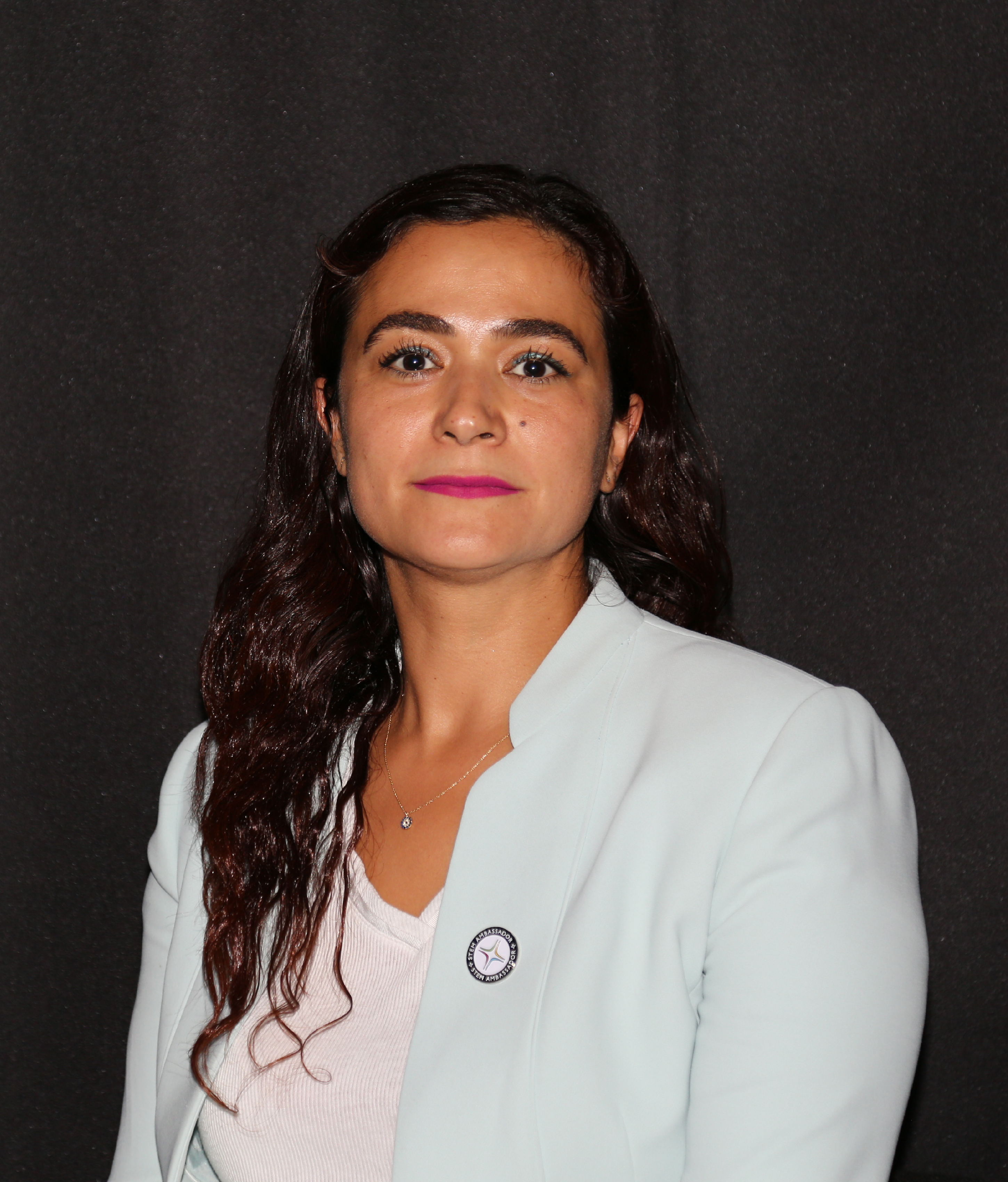
Host organisation:
The University of Hull
Department:
Physics and mathematics
Supervisor/s:
Dr. Emanuelle Verrelli
Dr. Jafar Khan
Fellowship Funder:
UKRI /EPSRC
Fellowship start date:
October 2025
Presentation Method:
Laptop
Yield Optimization of Ultra-Thin Polymer Bilayers for Organic Memristor Arrays
To build low-power artificial intelligence, computer chips need tiny artificial “synapses” that mimic the human brain. However, shrinking these organic switches below 40 nanometres to save energy causes them to completely short-circuit. We discovered this ultra-thin plastic films fail because they stretch, get punctured by rough metal spikes, or bead up like water on wax. To solve this, we engineered a double layer of two different plastics. When combined, they create a “self-healing” interface that automatically patches microscopic defects. This breakthrough stops the short-circuiting, rescuing device performance and paving the way for faster, highly sustainable AI hardware.
Dr Iris Tennie
Host organisation:
King’s College London
Department:
Institute of Psychiatry, Psychology & Neuroscience
Supervisor/s:
Prof Jernej Ule
Dr Taiyu Zhu
Fellowship Funder:
Alzheimer’s Society
Fellowship start date:
July 2026
Presentation Method:
Poster/ Image/ Alternative Poster
Decoding and Designing RNA Address Labels for Localised Protein Production in Neurons
Our cells use RNA molecules to carry instructions for making proteins, but these instructions also need to reach the right place in the cell. Short address labels within RNA are recognised by RNA-binding proteins, which act as molecular guides to transport the RNA where the protein is needed, for example in the axons of neurons. In this project, I will combine artificial intelligence with experimental data from neurons to design new RNA address labels, which will be tested in lab-grown human neurons. The aim is to better control where proteins are made and develop new RNA-based treatments for neurodegenerative diseases.
Dr Anna Tristram

Host organisation:
University of Cambridge
Department:
Department of Theoretical and Applied Linguistics, Faculty of Modern and Medieval Languages and Linguistics
Supervisor/s:
Dr Kirsty McDougall
Professor Bert Vaux
Fellowship Funder:
British Academy
Fellowship start date:
March 2025
Presentation Method:
Poster/ Image/ Alternative Poster, Laptop, Handouts
Voices from a changing Corby
Migration is a key feature of modern societies. When people move around, they bring their languages and dialects with them and come into contact with people who speak differently. This can lead to language variation and change. In this project, I am investigating how people speak in a town called Corby in the UK’s East Midlands. Corby has experienced significant population change through different waves of migration, with thousands of people from Scotland settling there from the 1930s onwards, and in the last 25 years, from further afield after the expansion of the EU. I aim to find out whether some Scottish-sounding features of the Corby dialect persist in the context of increased and more diverse migration to the town.
Dr Sindy Vrecko
Host organisation:
University of Glasgow
Department:
School of Cardiovascular & Metabolic Health
Supervisor/s:
Professor Tom Van Agtmael
Professor Patrick Mark
Fellowship Funder:
Kidney Research UK
Fellowship start date:
October 2026
Presentation Method:
Poster/ Image/ Alternative Poster
Targeting MMP-mediated basement membrane remodelling in COL4 nephropathies
Genetic kidney diseases cause severe chronic kidney disease, often requiring dialysis or transplantation. These conditions are linked to mutations in collagen IV genes (COL4A1–COL4A6), a crucial component of the kidney’s extracellular matrix (ECM). Emerging data suggests these mutations trigger excessive ECM turnover. This project investigates the enzymes responsible for cleaving collagen IV, part of the turn over mechanism, using two mouse models. By comparing these diseases, we aim to increase our knowledge of their development and identify shared enzymatic targets. Ultimately, this work will test if reducing enzyme activity can treat COL4A1-nephropathy, offering a novel therapeutic strategy.
Dr Thomas Wylie

Host organisation:
Imperial College London
Department:
Metabolism. Digestion and Reproduction
Supervisor/s:
Professor Nick Oliver
Professor Desmond Johnston
Fellowship Funder:
The MRC and Breakthrough T1D
Fellowship start date:
March 2025
Presentation Method:
Poster/ Image/ Alternative Poster
Beyond Biology in Personalising Care for Type 1 Diabetes
Type 1 diabetes (T1D) is caused when cells which produce insulin to keep the level of sugar in the blood steady are destroyed by the immune system. This necessitates manual balancing insulin and sugar intake which can be extremely stressful.
Personalised medicine aims to provide treatment tailored to characteristics of a person, based on a deeper understanding of how they will respond to it. It has so far focussed on biological characteristics, like genes. What if we could understand how a person would respond to T1D, and determine their risk of the mental health conditions associated with self-managing the condition?
Arts and Humanities Your Research, Your Way presenters 2026
Dr Gemma Anderson-Tempini
Host organisation:
University of Exeter
Department:
Centre for Cultures and Environments of Health (CCEH), Department of Social and Political Sciences, Philosophy and Anthropology
Supervisor/s:
Professor Luna Dolezal
Professor John Dupré
Fellowship Funder:
UKRI
Fellowship start date:
August 2026
Presentation Method:
Poster/ Image/ Alternative Poster
Making Visible the Hidden Processes of Breastfeeding Through Drawing
We know breastfeeding matters for health, yet we rarely see what it actually looks like inside the body. Existing images are either idealised or reduced to nutrition, missing the immune transfer, microbial exchange and living connection between mother and infant. This project uses drawing as a research method to make these hidden biological processes visible. Working with human lactation scientists at Cambridge, Oxford and in Canada, I am creating scientifically informed drawings of milk production at molecular, cellular and whole-body scales, alongside first-person images drawn from my own experience of breastfeeding twins.
Dr Kerry Francksen
Host organisation:
Coventry University
Department:
Centre for Dance Research (C-DaRE)
Supervisor/s:
Sarah Whatley
Fellowship Funder:
AHRC
Fellowship start date:
March 2024
Presentation Method:
Poster/ Image/ Alternative Poster
Feeling bodies / Sensing machines
Dance regards the body as a form of knowledge that precedes language; its understanding is real and often beyond verbal expression. Meanwhile, AI speaks confidently about movement despite lacking physical experience. The ‘Feeling bodies / Sensing machines’ project explored where the ‘felt’ body fits within human-AI collaboration. Using a real-time app and AR glasses, two themes emerged: an initial authority in which AI seemed to overshadow kinaesthetic judgement, and a space where bodily agency emerged through AI’s errors. Inspired by Eugene Gendlin’s ‘felt sense’, the project questioned AI’s interaction with dance’s bodily intelligence and its implications for agency and decision-making.
Dr Melanie Henry
Host organisation:
Queen’s University Belfast
Department:
Modern Languages
Supervisor/s:
Professor Isabel Torres
Fellowship Funder:
Queen’s University Belfast / British Academy
Fellowship start date:
June 2026
Presentation Method:
Poster/ Image/ Alternative Poster
Impaired Selves: Disability on the early modern Spanish stage
My project explores how physical disability was represented in Spain’s Golden Age theatre (1492–1681), a hugely influential period of artistic creativity. Although critics have long examined how Spanish Golden Age theatre engaged with social issues such as race, gender, and class, they have largely overlooked how disabled people – the world’s largest minority – were represented on stage. By analysing a range of plays alongside medical, religious, and legal texts, the study investigates how disability was portrayed and understood. It also connects past attitudes to modern discussions about inclusion and accessibility, showing how historical ideas about physical difference continue to shape society today.
Dr Laura Mora
Host organisation:
Queen’s University Belfast
Department:
Arts, English, Languages
Supervisor/s:
Prof Sue-Ann Harding
Fellowship Funder:
Queen’s University Belfast
Fellowship start date:
July 2025
Presentation Method:
Poster/ Image/ Alternative Poster
Digital witnessing and mediated solidarity
In the context of online solidarity with Gaza, I address Adi Kuntsman’s (2021) critical question: “What exactly is the affective currency of digital witnessing?” While existing studies of participatory war have interviewed war zone citizens and diasporas, I interview everyday social media users of diverse backgrounds in the UK, Ireland, the Netherlands and Belgium. I explore what drove them to start speaking out online on the topic since October 2023, despite associated risks, such as surveillance, harassment, job loss and friendship loss. I evaluate how personal motivations, sentiment and identity shape both expressions of solidarity and the subsequent experience of backlash.
Dr Wendy Rickard
Host organisation:
Newcastle University
Department:
History, Classics & Archaeology
Supervisor/s:
Dr Vicky Long
Professor Graham Smith
Fellowship Funder:
AHRC
Fellowship start date:
April 2025
Presentation Method:
Poster/ Image/ Alternative Poster, Object, Handouts, Other
Whose Voices Matter? Global HIV Oral History: 40 Million People, 40 Years
HIV oral history is widely understood to be valuable in capturing history as it has been happening across the globe. Recording the voices of people with HIV and their allies brings attention to the agency of ordinary people and the structural factors that have shaped human lives and deaths during the pandemic. Narrowly biomedical statistics cannot capture this. However, by charting whose voices have been collected, this research questions whether HIV oral histories, like public health responses, are also uneven and reflect unacceptable inequalities. Whose voices matter as we move into a legacy/memorialisation era in global HIV and AIDS history?
Dr Anna Tristram
Host organisation:
University of Cambridge
Department:
Department of Theoretical and Applied Linguistics, Faculty of Modern and Medieval Languages and Linguistics
Supervisor/s:
Dr Kirsty McDougall
Professor Bert Vaux
Fellowship Funder:
British Academy
Fellowship start date:
March 2025
Presentation Method:
Poster/ Image/ Alternative Poster, Laptop, Handouts
Voices from a changing Corby
Migration is a key feature of modern societies. When people move around, they bring their languages and dialects with them and come into contact with people who speak differently. This can lead to language variation and change. In this project, I am investigating how people speak in a town called Corby in the UK’s East Midlands. Corby has experienced significant population change through different waves of migration, with thousands of people from Scotland settling there from the 1930s onwards, and in the last 25 years, from further afield after the expansion of the EU. I aim to find out whether some Scottish-sounding features of the Corby dialect persist in the context of increased and more diverse migration to the town.
Engineering and Technology Your Research, Your Way presenters 2026
Dr Kerry Francksen
Host organisation:
Coventry University
Department:
Centre for Dance Research (C-DaRE)
Supervisor/s:
Sarah Whatley
Fellowship Funder:
AHRC
Fellowship start date:
March 2024
Presentation Method:
Poster/ Image/ Alternative Poster
Feeling bodies / Sensing machines
Dance regards the body as a form of knowledge that precedes language; its understanding is real and often beyond verbal expression. Meanwhile, AI speaks confidently about movement despite lacking physical experience. The ‘Feeling bodies / Sensing machines’ project explored where the ‘felt’ body fits within human-AI collaboration. Using a real-time app and AR glasses, two themes emerged: an initial authority in which AI seemed to overshadow kinaesthetic judgement, and a space where bodily agency emerged through AI’s errors. Inspired by Eugene Gendlin’s ‘felt sense’, the project questioned AI’s interaction with dance’s bodily intelligence and its implications for agency and decision-making.
Dr Justyna McKinlay
Host organisation:
Heriot-Watt University
Department:
Institute of Chemical Sciences
Supervisor/s:
Martin Paterson
Fellowship Funder:
EPSRC
Fellowship start date:
January 2025
Presentation Method:
Poster/ Image/ Alternative Poster
When Light Hits a Molecule – Can we use light to switch on cancer-fighting drugs?
Cancer treatments can have many side effects and damage healthy cells as well as tumours. To make these therapies more targeted we need to develop drugs that remain inactive until they are “switched-on” by light. My research uses computer modelling to study molecules that are built specifically for this purpose. I study how these molecules react and change when they absorb light, and how these changes may trigger reactions that can kill cancerous cells. Understanding these processes can help us design much better drugs for anticancer therapies.
Life sciences and biomedicine Your Research, Your Way presenters 2026 (A-L)
Dr Jehan Alswaihlil
Host organisation:
University of Bath
Department:
Institute of Mathematical Innovation
Supervisor/s:
Tristan Pryer
Fellowship Funder:
EPSRC
Fellowship start date:
September 2024
Presentation Method:
Poster/ Image/ Alternative Poster
Neural Field Theory for EEG Inversion: connecting Dynamics with Data
Brain activity is constantly changing and spreading across different areas of the brain. EEG recordings allow us to measure these changes, but it is difficult to determine how activity travels and how different brain areas interact. This project develops a mathematical approach to use EEG data to uncover these patterns of brain activity. We use inversion to reconstruct the brain activity from EEG recordings from people performing an arithmetic task to test the approach. By connecting mathematical models of brain activity with real measurements, this work aims to improve our understanding of how brain activity spreads across the brain.
Dr Zinab Bodbbos
Host organisation:
Heriot-Watt University
Department:
School of Engineering and Physical sciences (EPS)
Supervisor/s:
Prof. Yuhang Chen
Ms Chloe Scott
Prof. Bob Reuben
Fellowship Funder:
Medical Research Scotland
Fellowship start date:
December 2025
Presentation Method:
Object
Can we hear a knee replacement? Listening for loosening and happy knees.
Over 100.000 knee replacements are performed in the UK each year. While most are successful, some patients experience pain and instability. One possible cause is loosening of the implant, which can be difficult to detect at an early stage. My research explores whether we can identify these changes by ‘listening’’ to the knee. Tiny movements between the implant and the bone create vibrations that cannot be heard by the human ear but can be detected by sensitive sensors placed on the skin. By analysing these signals, I aim to identify early signs of implant loosening and help improve monitoring, enabling patients move with greater confidence.
Dr Annika Burleigh
Host organisation:
Royal Veterinary College
Department:
Translational Skeletal Research, Comparative Biosciences
Supervisor/s:
Dr Scott Roberts
Dr Caroline Pellet-Many
Fellowship Funder:
ORUK, MRC
Fellowship start date:
July 2025
Presentation Method:
Poster/ Image/ Alternative Poster
Defining the mechanism and efficacy of CDK8/19 therapies across the skeleton in pre-clinical osteoarthritis (OA) models.
Osteoarthritis (OA) is a complex, painful joint disease affecting 595 million people globally, frequently impacting weight-bearing or high-use joints like the knee, hand, hip, and jaw. Multiple cell types within the joint become unstable, progressively degrading tissue. Currently, no disease-modifying therapies exist, leaving treatment focused on pain management and joint replacement surgery.
Recently, a new drug, CDK8i, has been identified that can potentially fix malfunctioning cells, restoring them to a stable state.
Here, using spontaneous and non-invasive pre-clinical models of OA, multiple joints from mice treated with CDK8i are examined to determine therapeutic effectiveness and assess which joints benefit most.
Dr Julia Chase-Grey
Host organisation:
Nottingham Trent University
Department:
School of Animal, Rural and Environmental Sciences
Supervisor/s:
Dr Richard Yarnell
Dr Antonio Uzal
Fellowship Funder:
NERC
Fellowship start date:
January 2025
Presentation Method:
Laptop
Barriers to human hyaena conflict mitigation in the Maasai Mara, Kenya
Wild carnivores often come into conflict with farmers when they kill or injure domestic livestock. This often leads to negative attitudes and retaliatory killing. Several methods are used by communities to protect livestock against carnivore predation such as traditional livestock enclosures. However, newer methods have emerged that are more effective at reducing livestock losses.
In May 2026, I conducted an interview survey in Kenya with local community members to understand why certain livestock protection methods are chosen over others. This was done to help pastoralists more easily access effective livestock protection methods, reduce conflict and assist in carnivore conservation.
Dr Kate Coldwell
Host organisation:
University of Oxford
Department:
Centre for Microbiome Studies, Kennedy Institute of Rheumatology Research
Supervisor/s:
Dr Nick Ilott
Dame Prof Fiona Powrie
Fellowship Funder:
MRC
Kennedy Trust
Fellowship start date:
August 2024
Presentation Method:
Laptop/Film
Day in the life of a poo sample
The Oxford Centre from Microbiome Studies analyses thousands of poo samples. But why? Watch this short 3 min film created for World Microbiome Day 2026 by microbiome scientists and the Communications Team from NDORMS, University of Oxford.
As research scientists, we communicate our research to different people in different ways. The “Day in the life of a Poo Sample” short film is one example of how Kate and her colleagues have created excitement and engagement around the gut microbiome for a lay audience. Use the QR codes to see the other examples such as “Ask a Microbiome Scientist” videos and Poo Trivia Quiz.
Dr Kalina Davies
Host organisation:
Natural History Museum
Department:
Science Group
Supervisor/s:
David Gower
Anjali Goswami
Paschalia Kapli
Fellowship Funder:
The Royal Society
Fellowship start date:
November 2025
Presentation Method:
Poster/ Image/ Alternative Poster
Sensory trade-offs: What can the eyes of bats tell us about their hearing?
Bats are a highly successful group, representing nearly 20% of living mammals. Their success is attributed in part to bio-sonar (aka echolocation), which allowed the exploitation of night-flying insects. However, echolocation may have evolved once or multiple times in ancestral bats. Evidence of putative shifts in dominant sense from vision to biosonar will be compiled from bat genomes and eye structures to address this uncertainty. Specifically, functional variation of water-soluble proteins known as crystallins (which confer transparency to the eye lens) will be compared between representative echolocating and non-echolocating species and 3D X-ray images will be used to study lens morphology.
Dr Shirley Famelli
Host organisation:
University of Bristol
Department:
School of Geographical Sciences
Supervisor/s:
Rodolfo Bezerra Nobrega
Fellowship Funder:
NERC
Fellowship start date:
July 2024
Presentation Method:
Poster/ Image/ Alternative Poster
Sex ratios shift in Amazonian turtle hatchlings due to escalating habitat warming
Amazonia is experiencing more frequent and severe weather extremes. Freshwater species, like the endangered Giant Amazonian turtles are key for assessing how climate change influences Amazonian rivers and biodiversity. Extreme habitat temperatures can increase turtle embryo mortality; however, other non-lethal effects are expected due to their temperature-dependent sex determination, which can eventually drive populations to become predominantly female-skewed due to escalating habitat warming. Using in-situ and satellite-based data, my research demonstrates that the rivers are presenting rising temperature trends along the years (up to +0.3ºC a year from 1998 to 2024), in the water and sandbanks of three major Amazon Basin rivers (Purus, Trombetas, and Tapajós) used by turtles for nesting. I then estimated the sex ratio of all hatchlings bourn at these sandbanks monitored by local communities. I observed that more females are produced as warming intensifies, while males comprise less than 15% of offspring. With the absence of cooler years, turtle populations could eventually completely female-biased. These results emphasize the need for long-term nest-temperature observations and monitoring as a critical conservation effort to access ongoing population changes under future warming scenarios.
Prof Rosemary Fricker
Host organisation:
University of Cambridge
Department:
Plant Sciences / Herbarium
Supervisor/s:
Prof. Sam Brockington
Prof. Edgar Turner
Fellowship Funder:
NERC / BBSRC
Fellowship start date:
November 2025
Presentation Method:
Poster/ Image/ Alternative Poster, Object
Using university collections to evaluate human impact on biodiversity in the east of England
Humans have a significant impact on the natural world, through land use and contribution to global warming, affecting whole ecosystems. Museum collections provide a resource to investigate long-term ecosystem changes.
Cambridge University has ~80,000 plant and insect specimens dating from 1800-2000, from the East of England; including the Fen wetlands, now largely drained for intensive arable agriculture.
I am producing a database of plants and insects from the East of England to explore community and habitat shifts, using statistical and artificial intelligence tools. My aim is to understand long-term environmental change, to inform conservation strategies and sustainable farming practices.
Dr Cathy Hawley
Host organisation:
University of York
Department:
Biology
Supervisor/s:
Katherine Bridge
Fellowship Funder:
Blood Cancer UK
Fellowship start date:
March 2025
Presentation Method:
Poster/ Image/ Alternative Poster
Development of genetic RNA medicines for the treatment of blood cancers
Current treatments for blood cancers often address the symptoms but not the root cause of disease, resulting in harsh side effects and long treatment regimes. Blood cancers are driven by mutations in DNA – errors in the genetic code that instruct the cells to divide out of control and make more cancer cells. We are designing genetic medicines which use RNA (the body’s natural messenger system) to precisely target and kill the mutant cancer cells. Our data shows that using this approach, cancer cells are kills whilst healthy cells are left unharmed, paving the way to a new type of blood cancer treatment.
Dr Marzieh Jabbarzare
Host organisation:
University of Leicester
Department:
Microbiology and Infection
Supervisor/s:
Prof. Andrea Cooper
Dr.John Pearl
Fellowship Funder:
MRC
Fellowship start date:
June 2025
Presentation Method:
Poster/ Image/ Alternative Poster
Investigating γδ T Cell Subsets as Potential Targets for Tuberculosis Vaccine Development
Tuberculosis (TB) is a serious infectious disease, and current vaccines do not provide complete protection. This study investigated whether ESAT-6, a small part of the TB bacterium, could activate γδ T cells, a type of immune cell, in mice. These cells respond quickly to infection and may help the body build a longer-lasting defence against infection. The study examined how these cells were activated, the proteins they produced, and changes in their genes. The findings may help guide the development of more effective TB vaccines in the future.
Dr Tracey King
Host organisation:
Cardiff University
Department:
School of Biosciences
Supervisor/s:
Professor Jo Cable
Dr Amir Javed
Fellowship Funder:
BBSRC / NERC
Fellowship start date:
November 2025
Presentation Method:
Poster/ Image/ Alternative Poster
Lions and tigers and bears oh my!…….and the UK exotic pet trade
What animals are kept as exotic pets? How many exotic pets are there in the UK? How are they traded (both legally and illegally)? These are just some of the questions that are being considered by my research project which combines the biological and computer sciences with a One Health approach to determine what the actual disease risk is from such pets. This presentation will provide a short overview as to whether there are really lions in the wardrobe, tigers coming to tea and bears having a picnic or whether the reality is actually something rather more mundane.
Dr Martina Klejchova
Host organisation:
University of Glasgow
Department:
MVLS, SMB
Supervisor/s:
Prof. Michael R. Blatt
Prof. Anna Amtmann
Fellowship Funder:
BBSRC
Fellowship start date:
November 2024
Presentation Method:
Poster/ Image/ Alternative Poster, Laptop
Modelling the Impact of Point Mutations on Protein Structure Using AlphaFold3
Plant potassium channels drive stomatal movements that regulate CO₂ uptake for photosynthesis and water loss through transpiration. Because CNBD potassium channels are present in all plants, their modification in crops could improve water-use efficiency in agriculture in the future.
I am developing an in-silico approach based on AlphaFold3 and Python-based data analysis to identify potassium channel residues that will guide experimental efforts to improve channel gating, stomatal kinetics, and plant resilience.
Using this in-silico approach, I select promising mutations for their potential effects on channel activity and evaluate them in Xenopus oocytes and plants using mutagenesis and electrophysiological analyses.
Dr Nicola Kuiper
Host organisation:
The Robert Jones & Agnes Hunt Orthopaedic Hospital & Keele University
Department:
Orthopaedic Research
Supervisor/s:
Professor Karina Wright
Fellowship Funder:
Daphne Jackson Trust, Orthopaedic Research UK (ORUK) & Medical Research Council (MRC)
Fellowship start date:
November 2023
Presentation Method:
Poster/ Image/ Alternative Poster
Big Data analyses of the long-term benefits of knee cartilage surgery
We used data from 3,708 UK Biobank volunteers with a history of knee cartilage surgery to find out if sex and age at surgery affected the likelihood of needing a total knee replacement in later life. Women had a higher risk of progressing to knee replacement than men, particularly after debridement, a procedure used to remove damaged cartilage, and microfracture, which involves making small holes in the bone to encourage cartilage repair. Older age at the time of surgery was also associated with increased risk. These findings highlight differences in long-term outcomes after knee cartilage surgery and may help inform patient expectations and treatment planning.
Dr Ping Lung
Host organisation:
University of Glasgow
Department:
School of Infection and Immunity
Supervisor/s:
James Brewer
Fellowship Funder:
BBSRC
Fellowship start date:
January 2024
Presentation Method:
Poster/ Image/ Alternative Poster
Mimicking live germs with nanoparticles to develop better vaccines
Live germs tend to stimulate a stronger immune response compared to dead ones, but using live germs in vaccines can be a challenge. Making our vaccines live-like through nanoparticle technology may offer the perfect blend of strong immune response and safety. Here, we introduce how a nature-inspired nanoparticle stimulates immunological effects that may offer new opportunities in different vaccine applications.
Life sciences and biomedicine Your Research, Your Way presenters 2026 (M-Z)
Dr Alkisti Manousaki
Host organisation:
University of Leicester
Department:
Molecular and Cell Biology
Supervisor/s:
Prof. Martin Dyer
Prof. Rachael Evans
Prof. Chris Brightling
Fellowship Funder:
ME Research UK & MRC UKRI
Fellowship start date:
August 2025
Presentation Method:
Poster/ Image/ Alternative Poster, Handouts, Other
Decoding the Female Predominance in Myalgic Encephalomyelitis/Chronic Fatigue Syndrome (ME/CFS)
ME/CFS is a debilitating condition that affects women more often than men, yet the biological reasons remain poorly understood. My research investigates whether changes in genes on the X chromosome, which females typically have two copies of, contribute to this female prevalence by affecting immunity and energy production. I will also characterise patients’ antibodies to explore whether previous viral or microbial exposures relate to the disease. Finally, I will examine cells from the inside and investigate whether mitochondria – the structures producing cellular energy – are working properly, aiming to understand how these biological processes contribute to ME/CFS.
Dr Georgia McDonald
Host organisation:
Institute of Cancer Research
Department:
Translational Immunotherapy
Supervisor/s:
Professor Alan Melcher
Fellowship Funder:
MRC
Fellowship start date:
June 2026
Presentation Method:
Poster/ Image/ Alternative Poster
Functional Analysis of the Immune Response to Human Papilloma Virus (HPV) in Patients with HPV+ Tumours
HPV is a very common virus that affects around 8 in 10 people during their lifetime. Most people clear it naturally, but in some cases it can persist and cause cancer, including cancers of the cervix, throat, anus and genital area. HPV-related cancers contain viral proteins that can be recognised by the immune system, making them promising targets for new treatments. This research will study blood and tumour samples from patients to understand how their immune systems respond to HPV and whether stronger responses are linked to better outcomes. It will also explore a new vaccine approach to strengthen these immune responses and improve future treatments.
Dr Saraid Mcllvride
Host organisation:
University of Glasgow
Department:
School of Health and Wellbeing
Supervisor/s:
Prof Jill Pell
Prof Michael Fleming
Prof Scott Nelson
Fellowship Funder:
Medical Research Scotland
Fellowship start date:
October 2023
Presentation Method:
Poster/ Image/ Alternative Poster
What a million records can tell us about taking antidepressants during pregnancy
Mental health problems are increasingly common during pregnancy, affecting 1 in 4 women. Medications are an important treatment option, but many women worry about the effects on their baby. This study uses a unique dataset linking mothers’ health records to their children’s health and education records, covering every birth in Scotland and Wales between 2009 and 2021. We aim to examine whether antidepressant use during pregnancy is associated with child development and educational outcomes, including special educational needs. The more we understand about long-term effects, the better placed women and their doctors are to make informed decisions.
Dr Tahira Mujtaba
Host organisation:
Aston University Birmingham
Department:
School of bioscience
Supervisor/s:
Alice Rothenie
Fellowship Funder:
UKRI – MRC
Fellowship start date:
March 2025
Presentation Method:
Poster/ Image/ Alternative Poster
The Role of MRP1 and MRP4 in Breast Cancer Cell Migration, Communication and the Tumour Microenvironment
My project investigates how breast cancer cells communicate with immune cells and influence the tumour microenvironment—the cells, signals and surrounding conditions that can affect tumour behaviour. Breast cancer cells release proteins, soluble factors and tiny particles called extracellular vesicles. I am studying how these substances affect the movement of macrophages, an important type of immune cell. My results so far show that tumour-derived secretions can promote macrophage movement. I am also investigating two transport proteins, MRP1 and MRP4, which may help regulate this communication. Understanding these interactions could provide new insights into how breast cancer develops and progresses.
Dr Azizun Nessa
Host organisation:
Queen Mary University of London (QMUL)
Department:
Centre for Endocrinology
Supervisor/s:
Professor Paul Chapple
Dr Pratik Shah
Fellowship Funder:
Queen Mary University of London (QMUL)
Fellowship start date:
May 2025
Presentation Method:
Poster/ Image/ Alternative Poster
Understanding the molecular pathology of hyperinsulinaemic hypoglycaemia and neurodegeneration in children with DNAJC3 mutations
Children with changes in the DNAJC3 gene can develop a rare disorder that affects the brain, causing ataxia (problems with balance), low blood sugar in early childhood and diabetes later in life. DNAJC3 plays an important role in the cell’s protein quality control system, and early studies of neuronal cells lacking DNAJC3 show that they grow more slowly than healthy cells, especially when starting from low cell numbers. We are now studying how the cells respond to stress and which biological pathways are affected. This research may help explain how DNAJC3 defects lead to both nerve damage and metabolic problems.
Dr Oluwatosin Ojo
Host organisation:
University of Bristol
Department:
Bristol Medical School
Supervisor/s:
Stuart Mundell
Tom Johnson
Fellowship Funder:
BHF
Fellowship start date:
April 2026
Presentation Method:
Poster/ Image/ Alternative Poster
P2Y12 Receptor Signalling in Platelets: Implications for Cardiovascular Disease
Cardiovascular disease is the leading cause of death worldwide, with blood clots contributing to heart attacks and strokes. G protein-coupled receptors (GPCRs) regulate platelet activation and blood vessel contraction, but their mechanisms remain incompletely understood. This project investigates the P2Y12 receptor (P2Y12R), an important target of antiplatelet drugs, in platelets. Recent evidence suggests that P2Y12R expression increases in diabetes and acute coronary syndromes and may enhance vascular reactivity and clot formation. This research will determine how P2Y12R-targeting drugs regulate receptor signalling and assess whether P2Y12R represents a cardiovascular risk factor, supporting improved therapies to prevent heart attacks and strokes.
Dr Karen Onions
Host organisation:
University of Bristol
Department:
Clinical Sciences, Bristol Medical School
Supervisor/s:
Prof. Simon Satchell
Prof. Gavin Welsh
Dr. Becky Foster
Fellowship Funder:
British Heart Foundation
Fellowship start date:
April 2026
Presentation Method:
Poster/ Image/ Alternative Poster, Object
The diabetic kidney and it’s glycocalyx – Advancing analysis to identify therapeutic targets. New vascular analysis in diabetes to identify disease mechanisms and therapeutic targets. Diabetic capillaries – in depth analysis to identify disease mechanisms and therapeutic targets
Diabetes is a life-altering condition. Damage to the kidneys can cause protein to leak into the urine and is associated with a significantly higher risk of cardiovascular disease. Scientists have shown that a protective sugar-rich lining in your blood vessels, called the endothelial glycocalyx, regulates this protein-leak and that it is damaged in diabetes. This fellowship aims to use novel analysis techniques to understand how the individual building blocks that make up the glycocalyx are altered in diabetic kidneys. This data will identify new, more specific targets to preserve kidney function and reduce cardiovascular risk.
Dr Nicola Parillon
Host organisation:
University of York
Department:
LCAB (Biology)
Supervisor/s:
Prof Jane Hill
Prof Colin Beale
Prof Piran White
Fellowship Funder:
NERC and University of York
Fellowship start date:
November 2025
Presentation Method:
Poster/ Image/ Alternative Poster
Space for Nature: Rewilding cities and minds
Biodiversity is the huge variety of plant and animal life on Earth. Whilst the rewilding of rural landscapes is a common strategy to address the global biodiversity crisis, there has been much less emphasis on urban environments, the towns and cities where most people live, where biodiversity loss has been substantial, and where biodiversity and societal benefits may be greatest. This study aims to understand how rewilding benefits both people and nature in urban settings, by examining how rewilding urban green spaces affects people’s nature-connectedness and well-being, and the role that nature connectedness plays in mediating positive views on biodiversity and pro-nature behaviours.
Dr Colin Reveley
Host organisation:
Oxford University
Department:
FMRIB, Clinical Neurosciences
Supervisor/s:
Karla Miller
Fellowship Funder:
Alzheimer’s Society
Fellowship start date:
March 2024
Presentation Method:
Laptop
Diffusion MRI Imaging for Tracking Brain Degeneration in Dementia Patients.
This work develops our basic understanding of how diffusion imaging shows the structure of healthy tissue for later application to patients with Alzheimer’s disease
Dr Julia Riedl
Host organisation:
MRC Laboratory of Medical Sciences/ Imperial College
Department:
Clinical Sciences
Supervisor/s:
Andre Brown
Fellowship Funder:
Royal Society
Fellowship start date:
April 2025
Presentation Method:
Poster/ Image/ Alternative Poster
Treasures of a Small Brain
Diseases of the brain, such as depression, dementia and Parkinson’s disease, are a major cause of disability worldwide, yet developing new treatments remains slow and expensive. My project aims to establish a fast and effective method for screening molecules active in the brain to identify new drug candidates. I use the transparent worm Caenorhabditis elegans, whose nervous system contains only 302 neurons but shares many important features and genes with the human nervous system. By measuring changes in neuronal activity with a fluorescent calcium sensor, I can rapidly screen thousands of molecules and eventually generate a dataset to train an artificial intelligence model to predict how different compounds act on the brain. Ultimately, this approach could accelerate the discovery of new neuroactive compounds and treatments for brain diseases.
Dr Karolina Rygiel
Host organisation:
University of Oxford
Department:
Centre for Medicines Discovery
Supervisor/s:
Roman Fischer
Fellowship Funder:
Royal Society
Fellowship start date:
May 2025
Presentation Method:
Poster/ Image/ Alternative Poster
Developing spatial immunopeptidomics to aid cancer drug discovery
Understanding the spatial organisation of molecules within tissues is essential for deciphering disease mechanisms and developing effective therapies. In cancer, the tumour microenvironment (TME) critically shapes responses to treatment. However, one missing piece is the spatial distribution of antigens presented to the immune system. Traditional method used to identify these antigens, called immunopeptidomics, lacks spatial context. This Daphne Jackson Fellowship project aims to develop a spatial immunopeptidomics approach using colorectal cancer (CRC) as a model. The technique will be applied to thin slices of tissue to map antigen presentation across distinct tumour regions. Integrating spatial mapping of the TME with immunopeptidomics will generate a comprehensive 3D view of the CRC, illuminating local immune responses and supporting the design of next-generation, spatially informed therapies.
Dr Amy Roberts
Host organisation:
University of Edinburgh
Department:
Biological Sciences
Supervisor/s:
Guillaume Latombe
Fellowship Funder:
UoE & NERC
Fellowship start date:
March 2025
Presentation Method:
Handouts, Other
Bugging Out: How Climate Change is Reshaping the Insect World
My project gathers global research into one massive analysis to spot worldwide trends. Next, I zoom in to see how specific regions, habitats, and insect groups are handling the changing world, what happens when it gets hotter and/or wetter. Ultimately, these findings are used to guide policymakers, conservationists (restoring habitats, providing locations for moving populations), farmers (food security), healthcare professionals (disease spread) and future research (more monitoring).
To bring this science to life, I created a geeky (educational) card game! It explores real climate threats: wetlands drying up and endangering dragonflies, flowers blooming out of sync with hungry bees, and invasions by harmful predators like the Asian Hornet.
Come play a game of “Ecological Drift” and discover what the future holds for our insects!
Dr Luisa Saraiva
Host organisation:
University of Edinburgh
Department:
Institute for Regeneration and Repair
Supervisor/s:
Professor Stuart Forbes
Fellowship Funder:
Medical Research Scotland
Fellowship start date:
October 2025
Presentation Method:
Poster/ Image/ Alternative Poster
Modelling damage to the biliary and vascular network of the liver during procurement and static cold storage
Liver transplantation is a life saving effective treatment for end-stage liver failure. However, all medical treatments carry a risk of unwanted side-effects and in the case of liver transplantation this is developing issues with the flow of bile in your liver. The vast majority of donor livers already have severe bile duct injury prior to transplantation. In this research work, I am developing an imaging method to quantify the damage to the biliary and vascular networks in a murine model. The goal is to assess the effect of storage solution additives in the protection of the biliary epithelium.
Dr Iris Tennie
Host organisation:
King’s College London
Department:
Institute of Psychiatry, Psychology & Neuroscience
Supervisor/s:
Prof Jernej Ule
Dr Taiyu Zhu
Fellowship Funder:
Alzheimer’s Society
Fellowship start date:
July 2026
Presentation Method:
Poster/ Image/ Alternative Poster
Decoding and Designing RNA Address Labels for Localised Protein Production in Neurons
Our cells use RNA molecules to carry instructions for making proteins, but these instructions also need to reach the right place in the cell. Short address labels within RNA are recognised by RNA-binding proteins, which act as molecular guides to transport the RNA where the protein is needed, for example in the axons of neurons. In this project, I will combine artificial intelligence with experimental data from neurons to design new RNA address labels, which will be tested in lab-grown human neurons. The aim is to better control where proteins are made and develop new RNA-based treatments for neurodegenerative diseases.
Dr Sindy Vrecko
Host organisation:
University of Glasgow
Department:
School of Cardiovascular & Metabolic Health
Supervisor/s:
Professor Tom Van Agtmael
Professor Patrick Mark
Fellowship Funder:
Kidney Research UK
Fellowship start date:
October 2026
Presentation Method:
Poster/ Image/ Alternative Poster
Targeting MMP-mediated basement membrane remodelling in COL4 nephropathies
Genetic kidney diseases cause severe chronic kidney disease, often requiring dialysis or transplantation. These conditions are linked to mutations in collagen IV genes (COL4A1–COL4A6), a crucial component of the kidney’s extracellular matrix (ECM). Emerging data suggests these mutations trigger excessive ECM turnover. This project investigates the enzymes responsible for cleaving collagen IV, part of the turn over mechanism, using two mouse models. By comparing these diseases, we aim to increase our knowledge of their development and identify shared enzymatic targets. Ultimately, this work will test if reducing enzyme activity can treat COL4A1-nephropathy, offering a novel therapeutic strategy.
Dr Thomas Wylie
Host organisation:
Imperial College London
Department:
Metabolism. Digestion and Reproduction
Supervisor/s:
Professor Nick Oliver
Professor Desmond Johnston
Fellowship Funder:
The MRC and Breakthrough T1D
Fellowship start date:
March 2025
Presentation Method:
Poster/ Image/ Alternative Poster
Beyond Biology in Personalising Care for Type 1 Diabetes
Type 1 diabetes (T1D) is caused when cells which produce insulin to keep the level of sugar in the blood steady are destroyed by the immune system. This necessitates manual balancing insulin and sugar intake which can be extremely stressful.
Personalised medicine aims to provide treatment tailored to characteristics of a person, based on a deeper understanding of how they will respond to it. It has so far focussed on biological characteristics, like genes. What if we could understand how a person would respond to T1D, and determine their risk of the mental health conditions associated with self-managing the condition?
Physical Sciences Your Research, Your Way presenters 2026
Dr Jehan Alswaihlil
Host organisation:
University of Bath
Department:
Institute of Mathematical Innovation
Supervisor/s:
Tristan Pryer
Fellowship Funder:
EPSRC
Fellowship start date:
September 2024
Presentation Method:
Poster/ Image/ Alternative Poster
Neural Field Theory for EEG Inversion: connecting Dynamics with Data
Brain activity is constantly changing and spreading across different areas of the brain. EEG recordings allow us to measure these changes, but it is difficult to determine how activity travels and how different brain areas interact. This project develops a mathematical approach to use EEG data to uncover these patterns of brain activity. We use inversion to reconstruct the brain activity from EEG recordings from people performing an arithmetic task to test the approach. By connecting mathematical models of brain activity with real measurements, this work aims to improve our understanding of how brain activity spreads across the brain.
Dr Fiona Bradshaw
Host organisation:
University of Bristol
Department:
Organic Geochemistry Unit
Supervisor/s:
Melanie Roffet-Salque
Lucy Cramp
Fellowship Funder:
UKRI NERC
Fellowship start date:
November 2025
Presentation Method:
Poster/ Image/ Alternative Poster, Object, Handout
Plant resins: chemical differences and patterns of past use in Aboriginal Australia
Naturally occurring plant resins have been used by First Nation Australian communities for thousands of years. Examples of artefacts ranging from weapons and tools to jewellery and medicine, showcase the versatility of plant resins. A selection of museum items collected by ethnographers 100-200 years ago, were sampled and analysed chemically.
The resins used in Aboriginal Australia were varied and diverse but mostly fitted into three known chemical categories of resin, plus an extra group with unusual chemistry from a unique and unlikely source of resin, the spinifex tussock grass. Use the maps and your senses to investigate patterns of use.
Dr Yanting Dong
Host organisation:
University of Hertfordshire
Department:
School of Physics, Engineering and Computer Science/Centre for Astrophysics
Research (CAR)
Supervisor/s:
Dominic Walton
Martin Krause
Fellowship Funder:
STFC
Fellowship start date:
April 2026
Presentation Method:
Poster/ Image/ Alternative Poster
Mood Swings of a Black Hole — Decoding the Mystery Behaviour
When black holes accrete gas, they emit large amounts of X-rays. Interestingly, they can switch between states dominated by high- or low-energy X-rays—as if black holes have “mood swings”! By modelling the X-ray emission from a black hole candidate in different states, I found that these changes may be linked to its corona, a region of extremely hot plasma surrounding the black hole. I aim to extend this research to other systems, investigating whether this connection is universal and what other physical processes may drive these transitions. This will help understand how black holes grow and influence their surroundings.
Dr Parisa Ebrahimpour – Research Technical Professional Fellow
Host organisation:
University of Bristol
Department:
School of Chemistry
Supervisor/s:
Prof. Simon Hall
Fellowship Funder:
UKRI
Fellowship start date:
September 2026
Presentation Method:
Poster/ Image/ Alternative Poster
X-Ray Diffraction: Determining the Structure of Molecules and Materials
An understanding of the atomic-scale structure of molecules and materials is fundamental to all areas of chemistry research, from the development of new drugs to the discovery of next generation batteries, solar cells, and visual displays. X‑ray diffraction (XRD) is a particularly powerful technique used to determine how atoms are arranged inside solids, either as single‑crystals (scXRD) or as powders (pXRD). This presentation will discuss the fundamental principles and applications of X‑ray diffraction.
Dr Somayeh Ghasemi
Host organisation:
Queen Mary University of London
Department:
School of Physical and Chemical Sciences
Supervisor/s:
Dr Devis Di Tommaso
Dr Cristina Giordano
Fellowship Funder:
Royal Society
Fellowship start date:
November 2025
Presentation Method:
Poster/ Image/ Alternative Poster
Finding the O2p Sweet Spot: High-Throughput DFT and Machine Learning for Ruddlesden–Popper Water-Splitting Catalysts
Hydrogen made by splitting water with electricity could power transport and industry without carbon emissions. But today’s best catalysts — the materials that drive the reaction — rely on iridium and ruthenium, two of the rarest metals on Earth. My work looks for replacements built from cheap, abundant metals such as iron, manganese and nickel. Using supercomputers, I simulate hundreds of layered oxide crystals and measure an electronic “fingerprint” that predicts how well each one performs. Machine learning then learns that pattern and screens thousands more in minutes, pointing experiments towards the most promising materials to make and test
Dr Erin Goldstraw
Host organisation:
The University of Edinburgh
Department:
School of Mathematics
Supervisor/s:
Moritz Linkmann
Arjun Berera
Fellowship Funder:
STFC
Fellowship start date:
October 2024
Presentation Method:
Laptop, Handouts
Story Time
Time for a break? Come and play some short interactive fiction stories and have a chat about how assumptions affect the outcomes. Be careful what you assume. You might learn something new! Who said plasma physics was difficult? Come and try it for yourself.
Dr Fayza Gridi-Bennadji
Host organisation:
University of Leicester
Department:
School of Chemical, Earth and Environmental Sciences (CEES), Centre for Sustainable Materials Processing (CSMP)
Supervisor/s:
Dr. Jake Yang
Prof. Karl Ryder
Prof. Andrew Abbott
Fellowship Funder:
UKRI-EPSRC
Fellowship start date:
May 2026
Presentation Method:
Laptop
Can We Recycle LFP Batteries Without Destroying Their Value?
Lithium iron phosphate (LFP) batteries are increasingly used in electric vehicles and energy storage, creating a growing need for effective recycling. Unlike some other lithium-ion batteries, LFP contains no valuable cobalt or nickel, making conventional recycling less economically attractive. Direct recycling offers an alternative by recovering and restoring the cathode material rather than breaking it down completely. However, this requires LFP to be separated from other electrode components, particularly graphite, while maintaining its quality. My research investigates whether an oil–water emulsion can provide a simple and selective way to separate LFP from graphite, helping to preserve the value of the material for future reuse.
Dr Matt Hawcroft
Host organisation:
University of Oxford
Department:
School of Geography and the Environment
Supervisor/s:
Richard Washington
Tim Woollings
Fellowship Funder:
Royal Society
Fellowship start date:
March 2025
Presentation Method:
Poster/ Image/ Alternative Poster
Energy (Non-)Conservation in Climate Models: A problem for understanding dynamical change
Climate models are one of the primary tools we use to understand future climate change and to explain the causes of past change. Anthropogenic climate change is a function of energy accumulating within the climate system. Understanding how large-scale dynamical changes relate to this spatially varying energy storage is fundamental to our ability to understand future change. This work highlights a further barrier to this aim. Many state-of-the-art models do not adequately conserve energy, and this impairs our ability to properly quantify these energetic changes, let alone understand their dynamical and regional consequences.
Dr Ahmed Ismail
Host organisation:
UCL
Department:
Chemistry
Supervisor/s:
Professor Keith Butler
Professor Claire Carmalt
Fellowship Funder:
UKRI
Fellowship start date:
January 2025
Presentation Method:
Poster/ Image/ Alternative Poster
Finding the right ingredients: AI-guided dopant discovery for better materials
Adding tiny amounts of selected elements can transform how a material conducts electricity, absorbs light or stores energy. However, choosing the right element from the huge number of possible combinations is slow and computationally expensive. My research combines chemical knowledge with artificial intelligence to rapidly screen potential dopants, the “extra ingredients”, added to a material. The most promising candidates are then checked using detailed computer simulations. By testing this approach across different materials, I aim to create a faster, more reliable route to designing materials for energy, electronics and other technologies.
Dr Lotte Miller
Host organisation:
University of Leicester
Department:
School of Chemical, Earth and Environmental Sciences
Supervisor/s:
Prof. Arnoud Boom
Fellowship Funder:
Royal Society
Fellowship start date:
August 2025
Presentation Method:
Poster/ Image/ Alternative Poster
Black Layers, Big Stories: Solving the Red Sea Pliocene Geological Whodunnit
The Red Sea hides a remarkable record of ancient climate change. Buried beneath the seafloor are dark, organic-rich layers known as sapropels, formed between 3 and 5 million years ago during the Pliocene, when Earth was significantly warmer than it is today. These layers act like time capsules, preserving evidence of how oceans and climate interacted in a warmer world. This project explores the origins of these mysterious black layers by examining the chemical signatures preserved within Red Sea sediments. The findings suggest that changes in climate, ocean circulation, and the supply of organic material all played a role in their formation. By uncovering why these sediments accumulated and survived for millions of years, this research helps reveal how marine environments responded to past warming and offers valuable clues about how oceans may change in the future.
Dr Sourav Roy
Host organisation:
University of Leeds
Department:
School of Chemistry, Faculty of Engineering and Physical Sciences
Supervisor/s:
Prof Dmitry Shalashilin
Dr Orde Munro
Fellowship Funder:
Royal Society
Fellowship start date:
May 2026
Presentation Method:
Poster/ Image/ Alternative Poster
Accelerating Molecular Dissociation Simulations for Sustainable Plasma Etching Using Machine Learning
Modern electronic devices use semiconductor chips, which are made using a process called plasma etching. Different chemicals are needed during plasma etching to create the tiny features in these chips. However, some of these chemicals can be harmful to the environment. My project aims to understand what happens to these chemicals when they break apart during the process and help find safer alternatives. Studying this process using today’s supercomputers can take a very long time. Therefore, in the first part of my project, I am using artificial intelligence to learn how molecules behave during plasma etching, allowing these processes to be studied much faster.
Dr Zahra Saribal
Host organisation:
The University of Hull
Department:
Physics and mathematics
Supervisor/s:
Dr. Emanuelle Verrelli
Dr. Jafar Khan
Fellowship Funder:
UKRI /EPSRC
Fellowship start date:
October 2025
Presentation Method:
Laptop
Yield Optimization of Ultra-Thin Polymer Bilayers for Organic Memristor Arrays
To build low-power artificial intelligence, computer chips need tiny artificial “synapses” that mimic the human brain. However, shrinking these organic switches below 40 nanometres to save energy causes them to completely short-circuit. We discovered this ultra-thin plastic films fail because they stretch, get punctured by rough metal spikes, or bead up like water on wax. To solve this, we engineered a double layer of two different plastics. When combined, they create a “self-healing” interface that automatically patches microscopic defects. This breakthrough stops the short-circuiting, rescuing device performance and paving the way for faster, highly sustainable AI hardware.
Social Sciences Your Research, Your Way presenters 2026
Dr Aqsa Dar
Host organisation:
Centre for Social Mobility University of Oxford
Department:
Department of History
Supervisor/s:
Dr Eve Worth
Professor Anna Mountford-Zimdars
Fellowship Funder:
ESRC
Fellowship start date:
February 2025
Presentation Method:
Poster/ Image/ Alternative Poster
A qualitative study to understand the labour market experiences of professional British Pakistani women from the North of England.
This research builds on work I conducted for my first book, ‘Education, Aspiration and Upward Social Mobility: Working Class Women’ (Saeed, 2022), which explored the educational aspirations of young Pakistani women living in Milltown, a satellite town of Manchester. In this project I will interview 30 professional British Pakistani women from Manchester and some of the surrounding satellite towns. I aim to understand the factors that affect their labour market participation and to contribute to literature that describes their working life. My work will theorise their social mobility, which draw on both objective and subjective sources of data as well as contribute to discussions and theorisations of race and work.
Dr Sunneva Gilmore
Host organisation:
Queen’s University Belfast
Department:
Medicine, Health & Life Sciences (School of Nursing and Midwifery)
Supervisor/s:
Professor Maria Lohan
Fellowship Funder:
Queen’s University Belfast
Fellowship start date:
July 2026
Presentation Method:
Poster/ Image/ Alternative Poster
Healthcare Under Attack: The Consequences for Sexual and Reproductive Healthcare in War Zones
Armed conflict is increasingly disrupting essential healthcare delivery, with 2024 recording the highest levels of attacks on medical facilities in recent history, across settings such as Gaza, Ukraine, and Sudan. Sexual, reproductive, maternal, and newborn health services are particularly vulnerable to disruption, yet remain understudied. This project develops an interdisciplinary framework—drawing on medicine, international law, and feminist theory—to examine how such attacks affect healthcare access, provider response, and patient experience. Employing a mixed-methods approach combining a narrative review, systematic review, humanitarian data analysis, open-source investigation, and provider interviews in Ukraine and Colombia, the study aims to generate evidence informing policy and strengthening reproductive health protection in conflict.